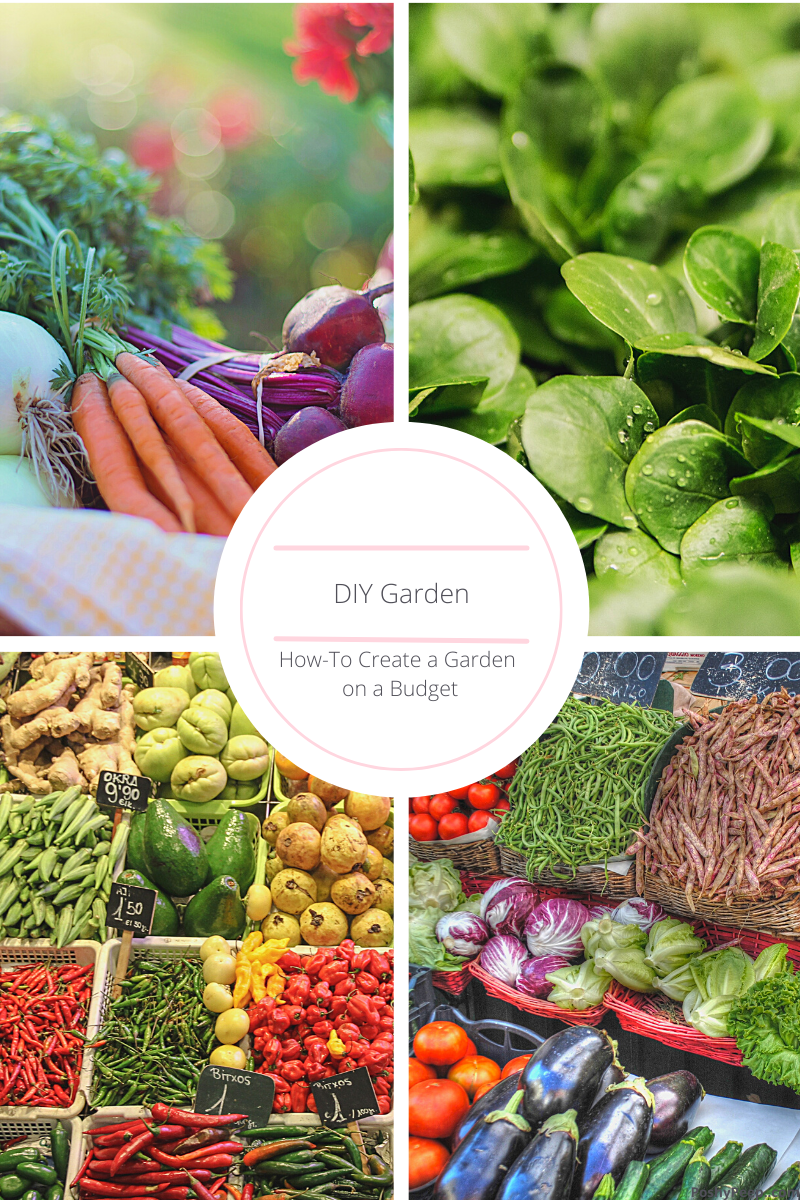
There is nothing quite like fresh produce from the garden. There is a lot of fun and pride in producing your food, as well as the opportunity to save money. Creating a garden can be a rewarding and enjoyable activity for the whole family. Tending to your garden and picking fresh produce can keep you active and provide much-needed calmness in this busy world. The simple act of seeing the rewards of your efforts and eating fresh food is truly a joy. A garden brings you back to the simple things in life.
Many people think they need to have a lot of space to create a garden, and that just isn’t true. There are many creative and affordable ways to create a garden. The pace you have available may limit what you can grown but there are many options for everyone.
How to Start a Budget Garden
Plant Garden from Seed
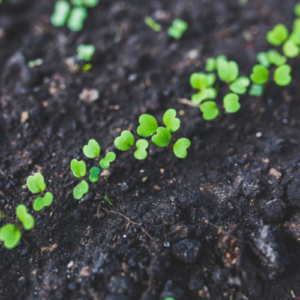
It can be costly to buy plants that are already seedlings at greenhouses or box stores. Although it can be easier to purchase them already started, you pay far more for seedlings than you do the seeds. I recommend starting your own plants from seeds.
The most cost-effective way to acquire seeds is to save your own. You can save the seeds from your produce purchased or some from your garden crop for use for next year. Once you remove the seeds ensure to completely let them dry out before putting them in an airtight container. You can then save this container to start your seedlings in the upcoming spring. You can even save the seeds from foods that you purchase at the grocery store. You can also save seeds from the produce purchased and grow them the next year in your garden. I have been surprised with what I have been able to grow from items I have purchased and dried the seeds.
You can get seeds very cheaply at many locations. I always check our dollar stores for seed packs and big box stores. They usually sell the common vegetables (cucumbers, tomatoes, beans, lettuce, zucchini, etc.) It is amazing how cheaply you can get seeds when you look around ($1 a packet).
Lots of items around the house can be used for seedling containers. Items like egg containers, plastic cups, yogurt containers, newspaper pots all make great starter containers. Most of us have these already in our homes and can reuse them without additional costs.
Ensure that your seedlings have the light/ heat needed when germinating and to harden them off if needed before placing them in your garden.
Soil and Compost for the Garden
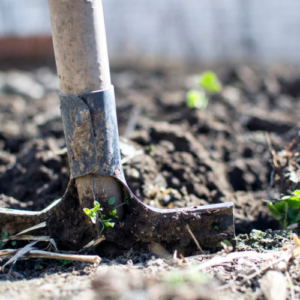
Soil can be a large expense. You may need to be a bit creative when getting your soil. In many cases, you can get soil naturally from outside and add some fertilizer. Another option is to purchase soil. It is important to do your research on prices if you need to purchase soil. The prices can vary greatly. If you need a lot of soil look for bulk soil for sale (many lawn companies sell garden soil). Generic brand soil is also always cheaper at box stores than the brand names (and usually just as good)
Making your compost is also an extremely cost-effective way to save money on fertilizer (and re-use your household scraps). Not only can you use the food scraps that would go to waste, but you can also use water from boiled vegetables, coffee grinds, eggs shells, grass clippings, and tea bags to add to your compost.
Join a Community Gardening Group
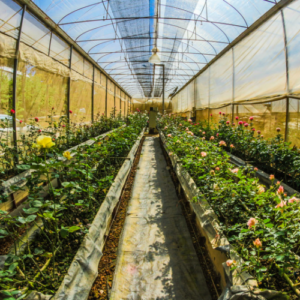
If you are new to gardening I recommend joining a community gardening group. They are a wealth of information. There are many local gardening groups on Facebook if you search for one in your area. My community group has been a great source of knowledge and support as I started to garden. Answering common questions and providing details on best practice is just a couple of benefits of a garden group. Gardeners are a special breed of people who love to share information and support each other. They are a unique community that I find to be very generous and caring. There is genuine love for growing plants and food with these individuals and the desire to share knowledge.
In addition, these groups can also help you with resources and creative ideas. Many gardeners will give away extra seeds or seedlings to others if they have too many (or sell at a very low price). Other groups have swaps where you can swap seedlings and plants with each other which can help add to the variety in your garden. You may also be able to get some free cuttings to start some of your plants.
If you do not have an area for a garden (for example if you live in an apartment) a group may also help you locate a place near to your home like a community garden or available spot to create your garden. You never know, someone may have some extra space they are willing to let you use.
You Don’t Need to Get Fancy
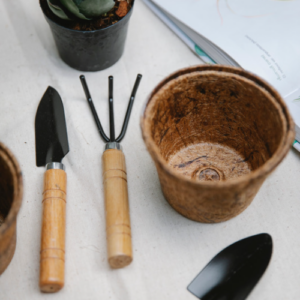
There are many pieces of equipment and cool options for gardening but remember you don’t need all the gadgets and fancy garden containers/tools to have a garden. All the extras possible can add up and make a garden unaffordable. Remember the way our grandparents gardened (it was simple and basic), they tilled a patch of land, added some fertilizer and that’s about it.
Also, gardening is a great opportunity to get creative. I have seen people grow potatoes in old Rubbermaid bins or buckets. I have seen people use old window boxes or farm troughs as garden beds. You can use your imagination and what you have available to you for free or cheaply for your garden. Pallets are also usually free and can be re-purposed to make a garden bed cheaply.
You can always thrift for garden supplies as well to save on your initial upfront costs. Top 10 Thrifting Tips
Space for Your Garden
Ideally, you have some space on your property for a small garden. Although this is ideal it is not true for everyone. If you do not have land available this doesn’t mean that you can’t grow your produce.
There are some really interesting ways to garden in small spaces. Vertical gardening in apartments lets people grow food on balconies. You can grow tomatoes/ strawberries by hanging the plants. Small indoor pots can allow you to grow certain items both inside your home and outside.
Do Research
Knowing the answers to these common mistakes will ensue that you have success:
Know what grows in your area well?
know how much space you need for each plant?
What will yield you the most produce per square foot?
When is the best time to start each type of seedling?
What is companion planting (plants that grow well together)? Companion Planting (farmersalmanc.com)
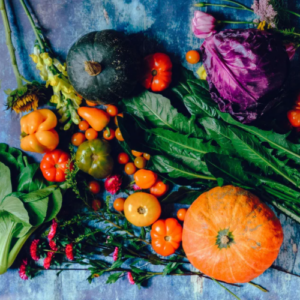
Gardening can be a fun, rewarding, and therapeutic endeavor. It can create a sense of pride in knowing where your food comes from and that you have grown in yourself. In addition, it can be a fun way to reduce the cost of produce for you and your family. When budgets are tight it can ensure that you and your family have healthy options to fill your plates. Extra’s from the garden can be frozen or preserved to last long in to the fall and winter so you can enjoy all year round.
If you are new to gardening you can start off slowly and work your way up to a larger garden. Producing food to supply your family needs creates a pride in knowing you are providing the best nutrients for those you love. Food availability is unfortunately a struggle for too many families. Gardening can help alleviate the stresses of putting healthy meals on the table when you are working with a tight budget.